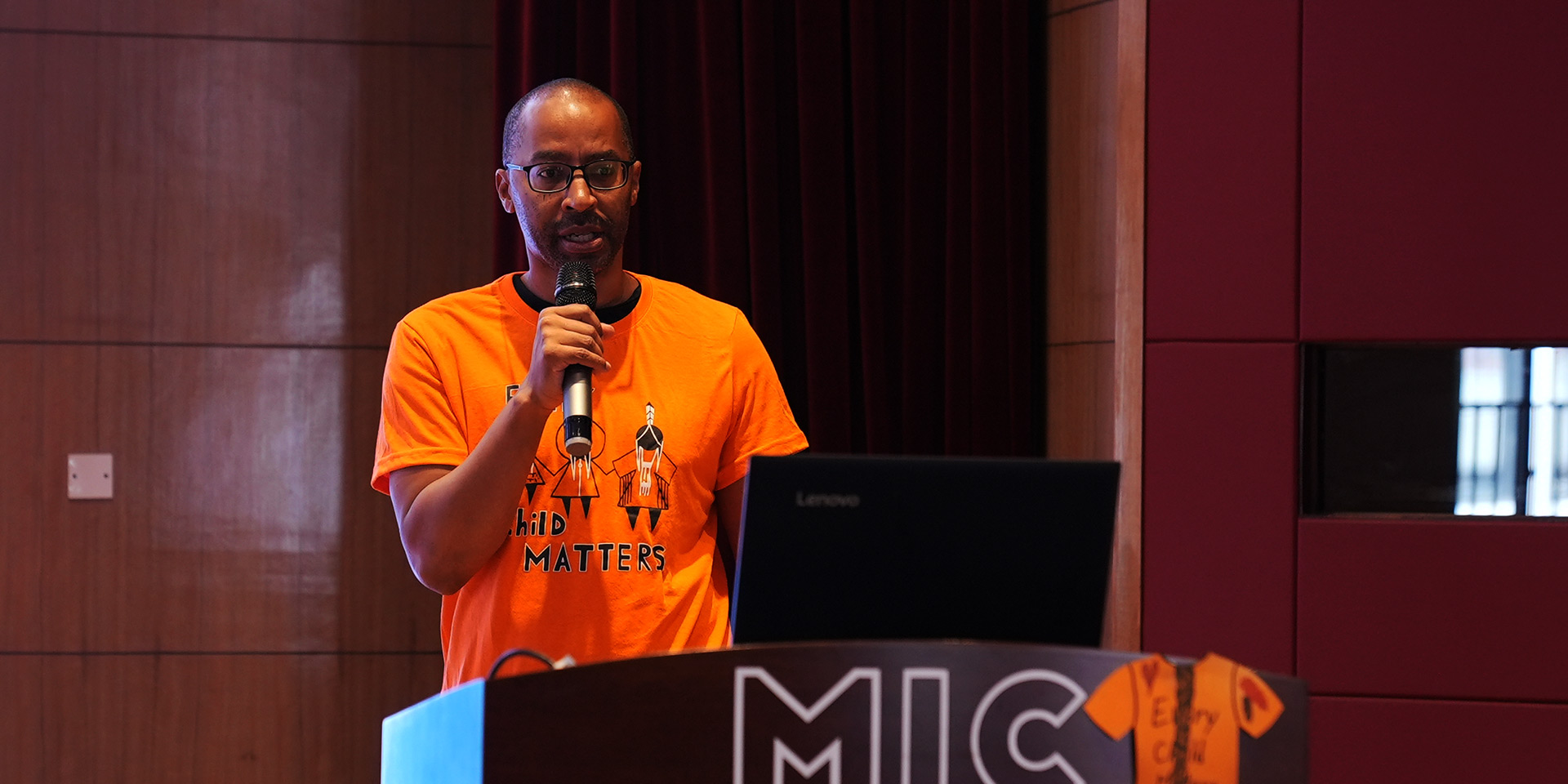

At MIC, leadership is never a distant concept or a trait reserved only for student council members. It lives in every stroke of the feedback forms in the cafeteria, shines through the ingenuity of students hanging their artwork on campus walls, and blossoms in the laughter and energy of the Pink Shirt Day and the Lantern Festival charity sale—both fully planned by students.
We firmly believe that true education is about giving students the courage and ability to "transform" the world around them. Here, the school is not just a place for teaching and learning, but a testing ground where students step into the wider world through "self-governance" and "campus co-creation."
At MIC, the best decisions often come from places closest to daily life.
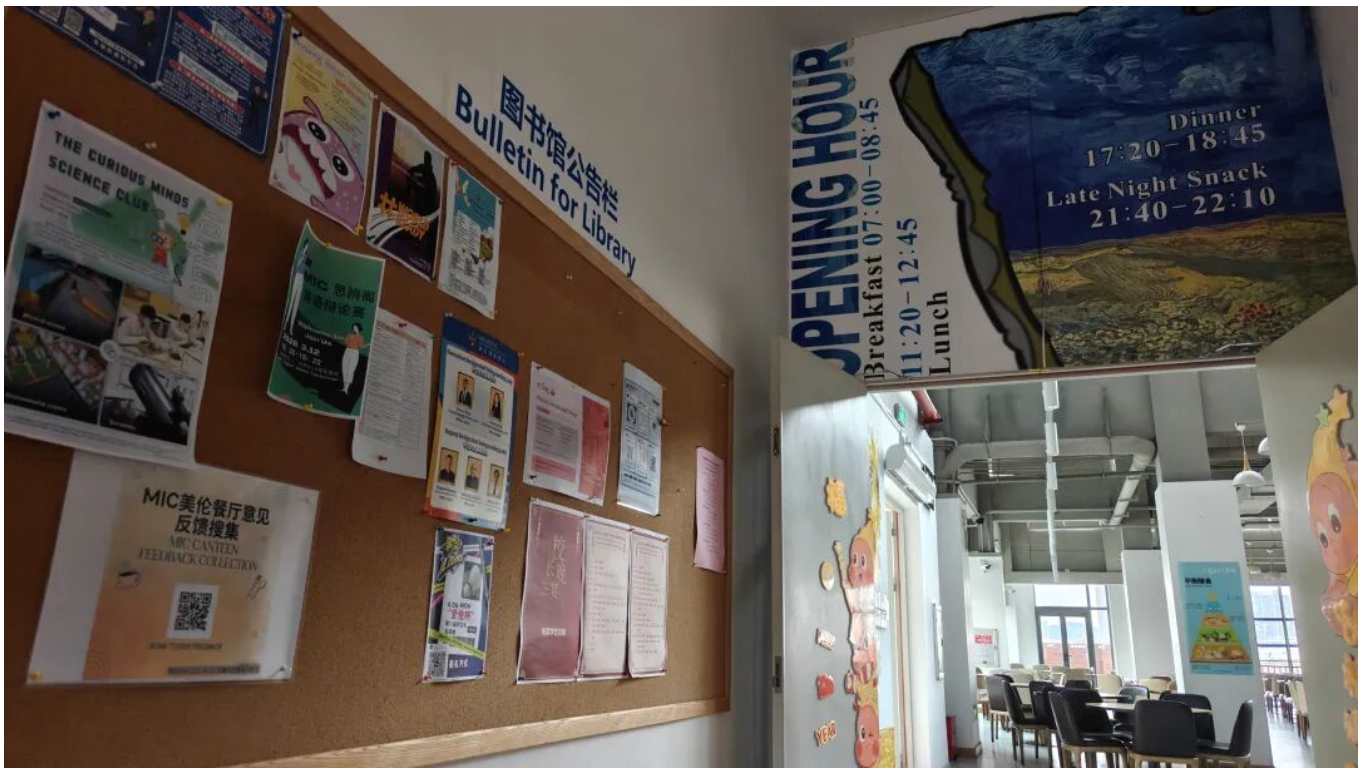
Enter the school cafeteria, and you'll see prominently posted student feedback channels—this is not a token gesture, but a well-functioning communication mechanism. Students can offer suggestions on menu taste, nutritional balance, or the dining environment. The logistics team reviews each suggestion at their weekly meeting and makes visible adjustments to the following week's menu.
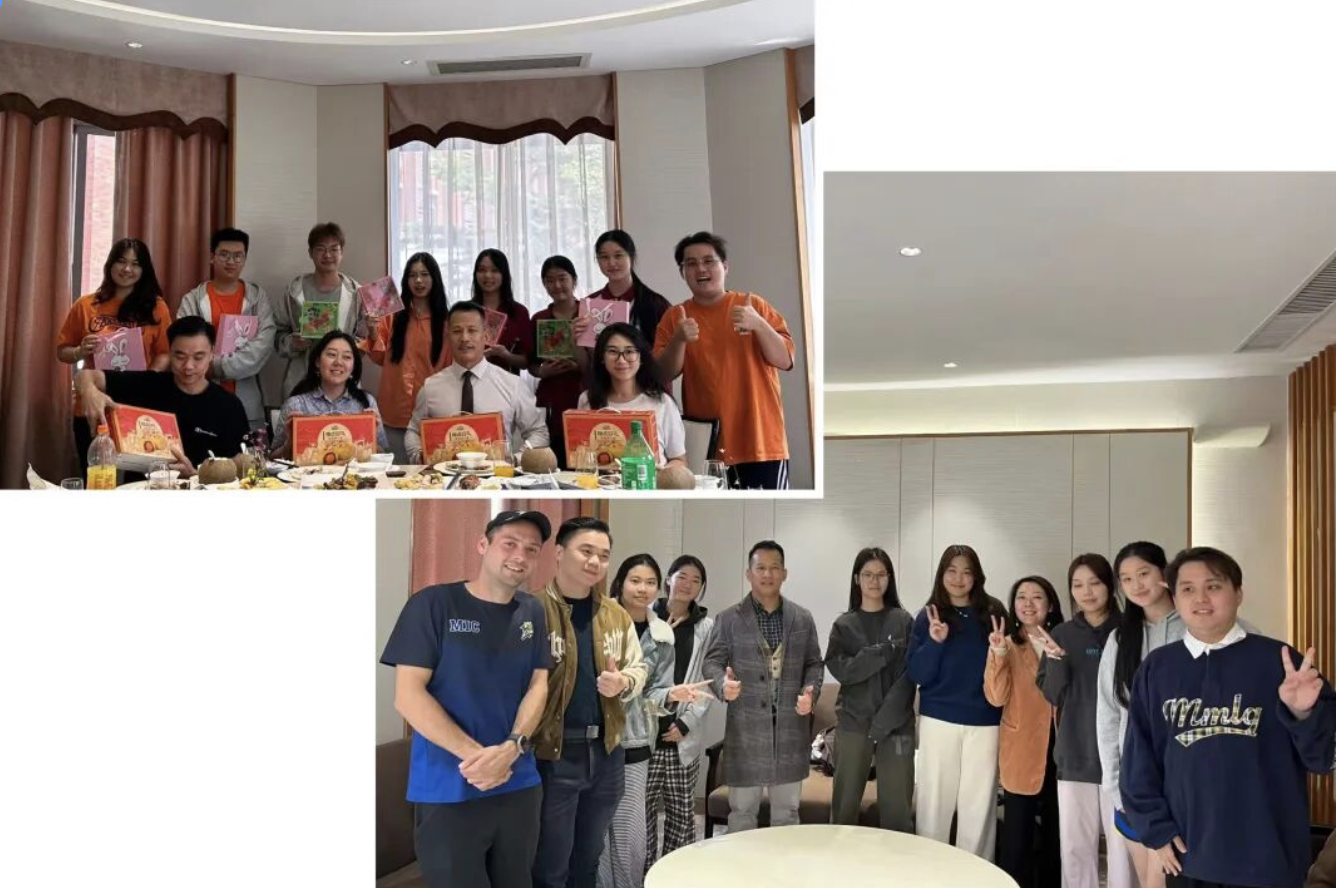
The school regularly organizes various forms of discussion sessions. For example, students can communicate with the principal during meals, and the school management team engages in face-to-face dialogues with students, which truly puts this "listening" into practice. This experience of "being seen" and "being respected" makes students realize: I am not a passive recipient of management, but a partner in the construction of the school.
Returning the power of campus development to students is a core part of MIC's leadership education.
Wandering around the MIC campus, you'll find surprises in many corners: student-created original paintings on the walls at the end of hallways, handmade crafts displayed in public areas, and creative installations in the nooks of academic buildings. These are not decorations purchased by the school, but the fruits of student campus co-creation.
The school encourages students to translate their talents and passions into tangible actions that adorn the campus. This sense of participation greatly fosters a feeling of belonging—every detail reflects the students' understanding and love for their campus life.
If voicing opinions is "participating in governance," then the student-run coffee corner is a real "entrepreneurial rehearsal."
On the MIC campus, this corner, fully managed by students, is a small space where they turn their interests and passions into practical abilities, and a "testing ground" for exploring entrepreneurship in advance. From calculating costs and formulating marketing strategies to shift management and customer service, students apply the business knowledge learned in class to real operational scenarios.
What's more, all revenue generated by the coffee corner is reinvested into the daily operations of MIC's student clubs, providing fertile ground for more students' interests and passions to take root.
The coffee corner makes leadership tangible and nuanced. Here, students learn to take responsibility, resolve conflicts, and build confidence while serving their peers and teachers. It's not just an extracurricular activity; it's a living lesson in entrepreneurial spirit.
At MIC, the planning and execution of campus events have never been a teacher's "solo performance," but a student's "main battlefield."
For the "Pink Shirt Day" anti-bullying campaign, the student organizing team handled everything from planning and visual design to interactive sessions. During campus festival celebrations, student-run booths are always present—for example, students made their own tangyuan (sweet rice balls) for a "Reunion Charity Sale" during the Lantern Festival. Taking the lead throughout, students learned project management and teamwork in practice.
Beyond the spotlight of creativity and planning, MIC has an ever-present "invisible force"—the student volunteer service team. They may not often stand in the limelight, but they are an indispensable pillar of the school's various operations.
On opening day, they guide new students through registration. At large events, they manage check-ins, provide directions, and handle equipment setup. For daily library management, volunteers help organize books. Through serving others, students learn collaboration and responsibility.
At MIC, the cultivation of leadership has never been confined to the classroom.
Through the feedback forms, we learn to express ourselves.
Through campus co-creation, we learn to create.
Through the coffee corner, we learn entrepreneurship and giving back.
Through event planning and volunteering, we learn empathy and responsibility.
Here, every student is a source of power for changing the campus.