
Speaker Profile:
ü PhD in Biochemistry and Molecular Biology, Center for Excellence in Molecular Plant Sciences, Chinese Academy of Sciences
ü Postdoctoral Research Fellow at BGI Research, Shenzhen
ü Has published four research papers in journals including Nat. Commun. and Molecular Plant. Contributed a chapter on CRISPR Cas technology to the book series Springer Protocols Handbooks (experimental methods volume).
ü In charge of K 12 science education curriculum design. Has developed more than 10 featured courses, as well as three sets of lab solutions and supporting curricula for genetics science education.
Research Achievements:
Ø Li, Jinkai; Ge, Shenghong;Ma, Hui; Sanchez-Bermudez, Maria; Wu, Siqun; Lv, Qiuyu; Guo,Fengxiao; Dong, Jinsong; Ma, Guojie; Li, Qingshun Quinn; Satheesh, Viswanathan; Lei, Mingguang; A cis-natural antisense RNA regulates alternative polyadenylation of SlSPX5 under Pi starvation intomato, Nature Communications, 2025, 16(1)
Ø Dong, J., G. Ma, L. Sui, M. Wei, V. Satheesh, R. Zhang, S. Ge, J. Li, T.-E. Zhang, C. Wittwer, H. J. Jessen, H. Zhang, G.-Y. An, D.-Y. Chao, D. Liu and M. Lei (2019). "Inositol Pyrophosphate InsP8 Acts as an Intracellular Phosphate Signal in Arabidopsis." Molecular Plant 12(11): 1463-1473.
Ø Satheesh, V., A. Tahir, J. Li and M. Lei (2022). "Plant phosphate nutrition: sensing the stress." Stress Biology 2(1): 16.
Ø Satheesh, V., J. Zhang, J. Li, Q. You, P. Zhao, P. Wang and M. Lei (2022). "High transcriptome plasticity drives phosphate starvation responses in tomato." Stress Biology 2(1): 18.
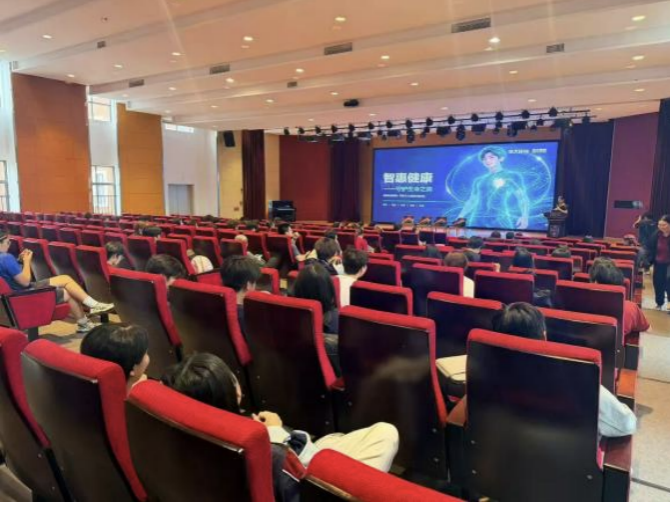
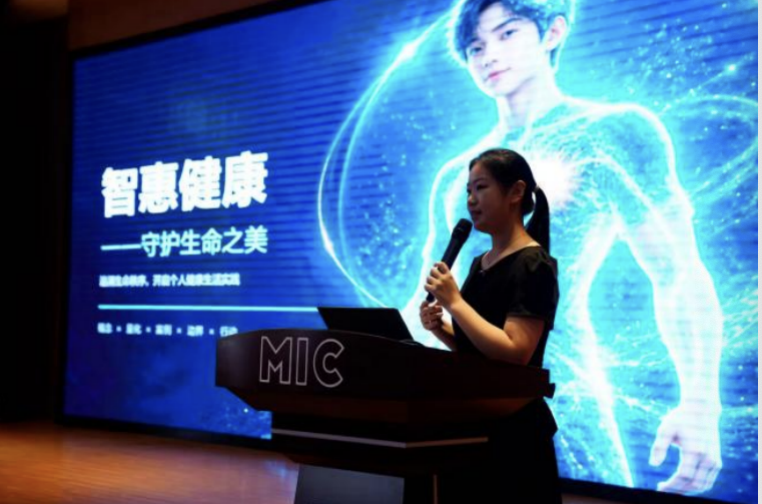
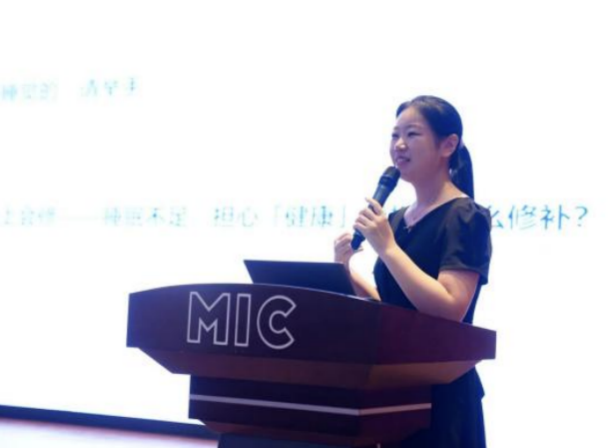
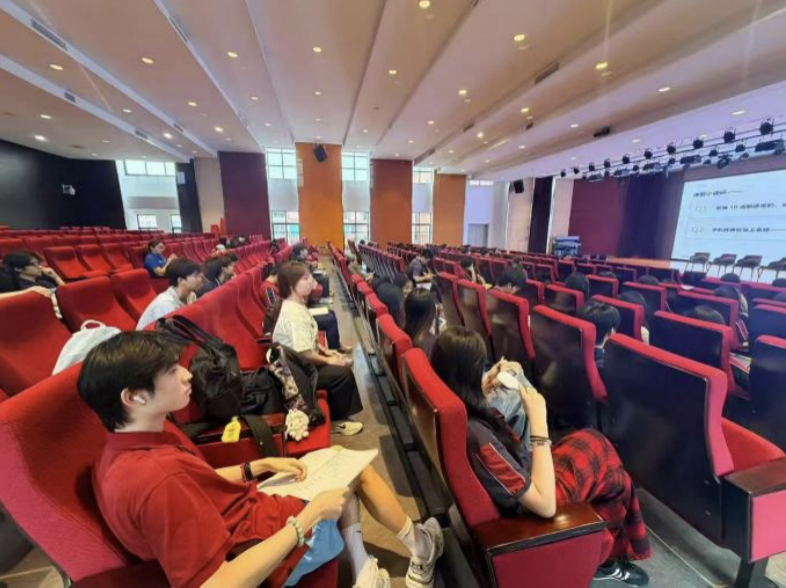
“What time did you go to bed last night?” This familiar question marked the beginning of the UK Division's themed lesson, Wisdom & Health, Safeguarding the Beauty of Life. Starting with the World Health Organization's definition of health, students explored the idea that being healthy means more than simply being free from illness. It also involves physical, mental and social well-being.
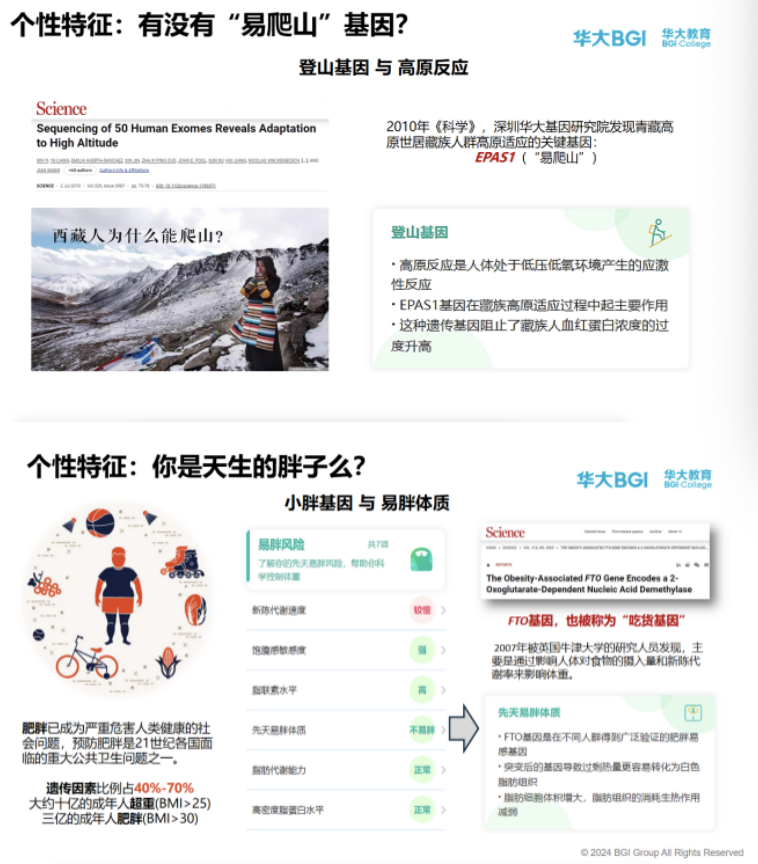
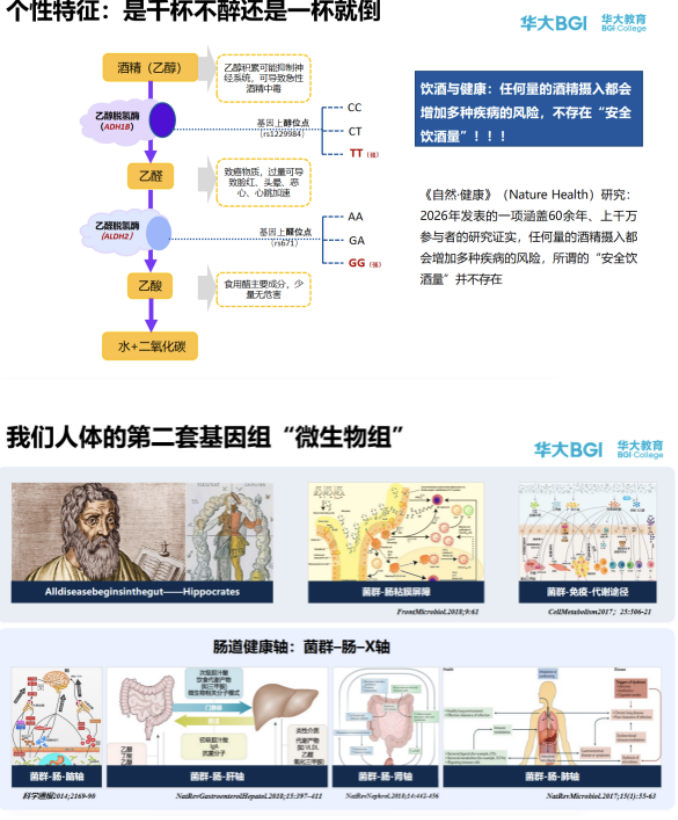
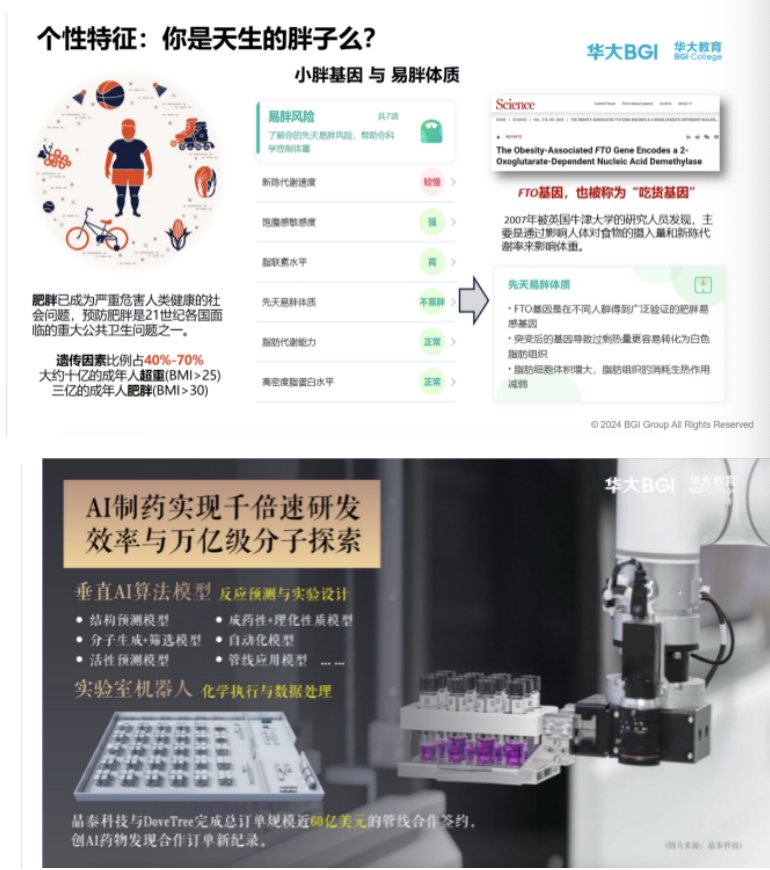
To make the invisible processes of life easier to understand, the lesson explored cells, DNA and genes before examining alcohol metabolism as a practical example. Students learned how enzymes, including alcohol dehydrogenase and aldehyde dehydrogenase, participate in chemical reactions within the body, and how genetic differences can influence individual responses. Through examples such as Body Mass Index (BMI), genetic testing and medical imaging, students also considered how health can be measured and why a single indicator cannot provide a complete picture.
As the discussion moved towards artificial intelligence in healthcare, students were encouraged to consider the interpretation of data, personal privacy and the responsible use of technology. The lesson concluded with a seven-day mini health inquiry, inviting students to adjust one safe daily habit, record observations and reflect on the results. By connecting molecular science with everyday choices, the lesson made biochemistry meaningful and encouraged students to take an active, evidence-based approach to their well-being.