

Hello everyone, I'm Zhong Haoran, Lester, from Class AS-3 of the UK Faculty. It's a great pleasure to share my experiences and insights on preparing for the NEC (National Economics Challenge).
Initiated by the Council for Economic Education (CEE), the NEC is a world-class economics competition for middle and high school students, hailed as the "Economics Olympics for Secondary School Students." Highly aligned with the core knowledge of international mainstream economics curricula such as A-Level and AP, the competition adopts a team-based format with 2-4 participants per team. It consists of multiple-choice questions that lead to progressive advancement – from the Regional Round to the China Round, and ultimately to the global peak showdown at the International Round.
For me, who is currently studying AS Economics, the NEC is an invaluable opportunity for growth. The preparation process not only strengthens in-class knowledge but also allows me to get early exposure to core economic content of Year 12 and even university levels. It not only builds strength for the competition but also achieves the advanced improvement of academic literacy, forming a virtuous cycle of "input-consolidation-output" in economics learning.
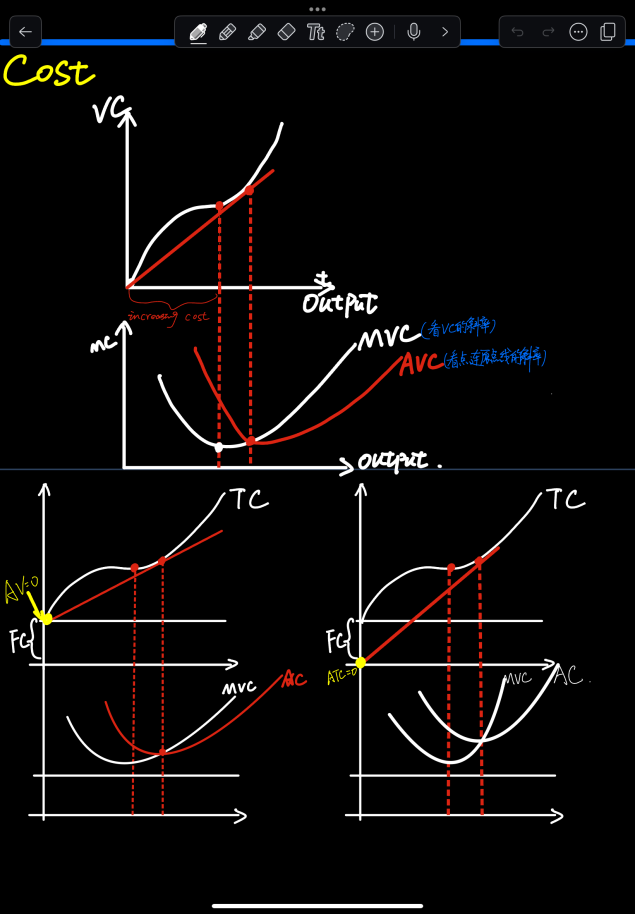
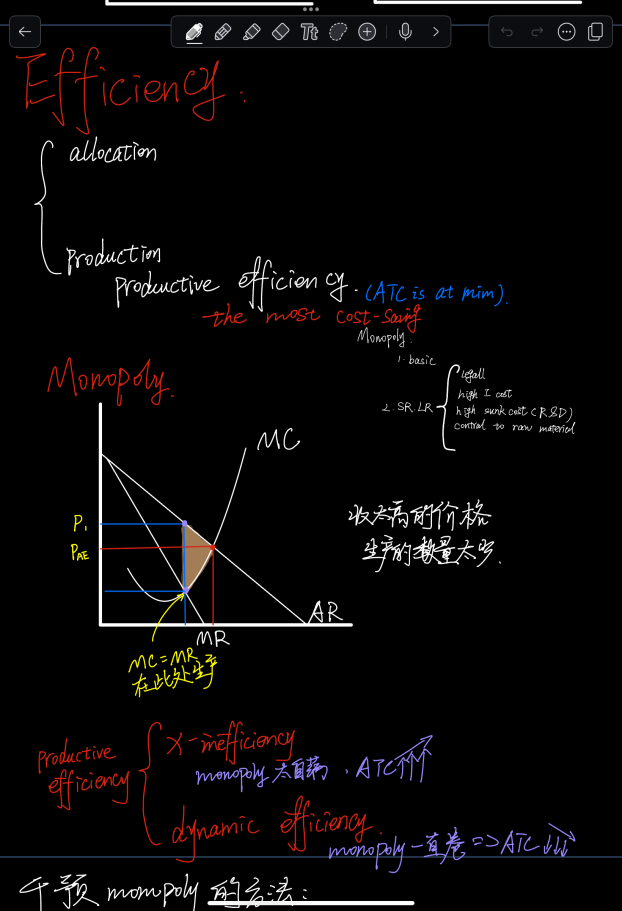
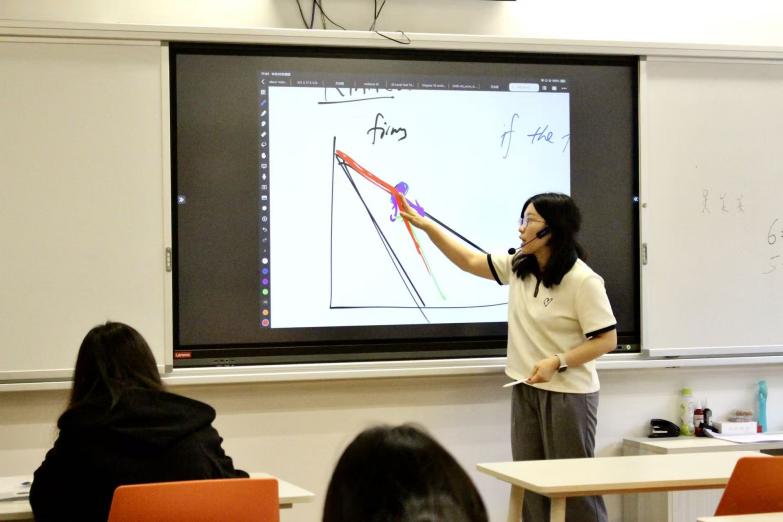
Initially, I fell into the trap of rote memorisation. When encountering difficult knowledge points, I was unwilling to delve deeper and only wanted to cope with mechanical memory. However, practice proved that this method was extremely inefficient, and I easily got stuck when facing flexible questions. Fortunately, Teacher Chen Dan promptly guided me, teaching us the linked learning method of "images + knowledge points" – combining abstract economic concepts with intuitive charts to make obscure principles clear and understandable.
For example, when learning about enterprise costs, the relationships between marginal cost, variable cost, and output once confused me a lot. The teacher led us to draw cost curve charts, embedding knowledge points such as "marginal cost first decreases and then increases" and "variable cost increases proportionally with output" into the horizontal axis, vertical axis, and curve trends of the charts. Originally scattered knowledge points were connected through images, so I not only remembered the conclusions but also understood the underlying logic. When answering questions, I can quickly derive answers just by recalling the charts, greatly improving both learning efficiency and memory depth.
The process of preparing for the NEC is a journey of accumulating knowledge and refining methods. Next, I will continue to delve into core exam points, consolidate the image-based memory method, and sprint for the Regional Round hand in hand with my teammates. I hope my sharing can provide some inspiration to fellow students also preparing for the NEC, and I look forward to surpassing myself in the competition and living up to this period of focused accumulation!
Author: Zhong Haoran (Lester)