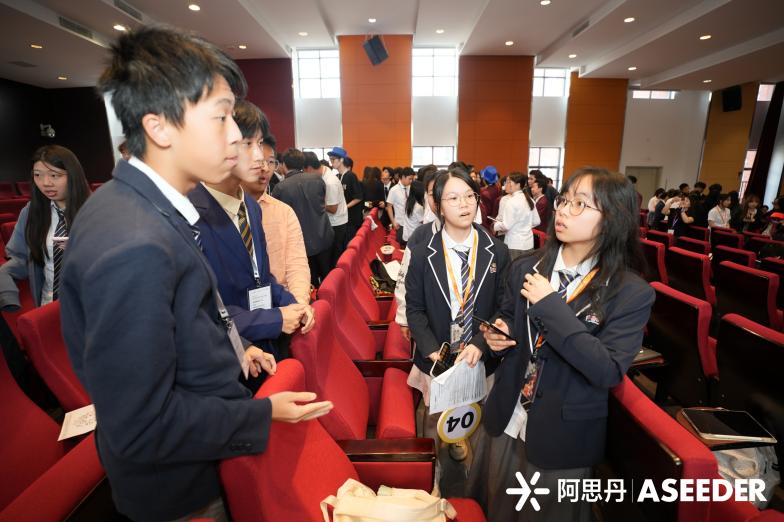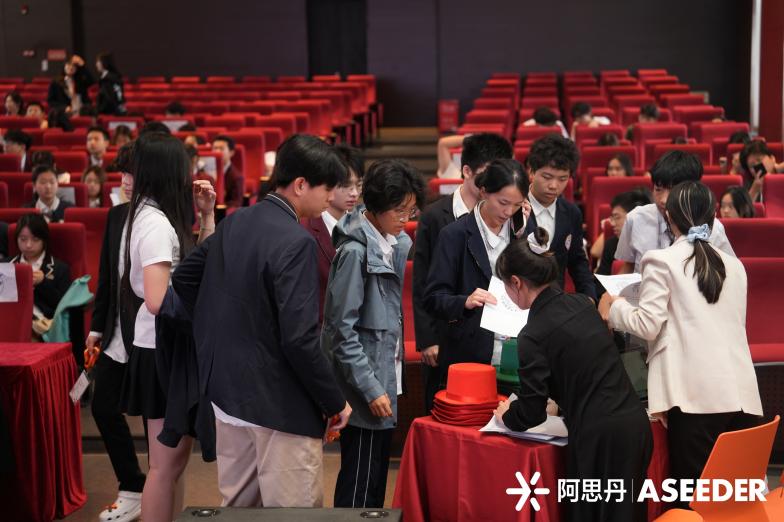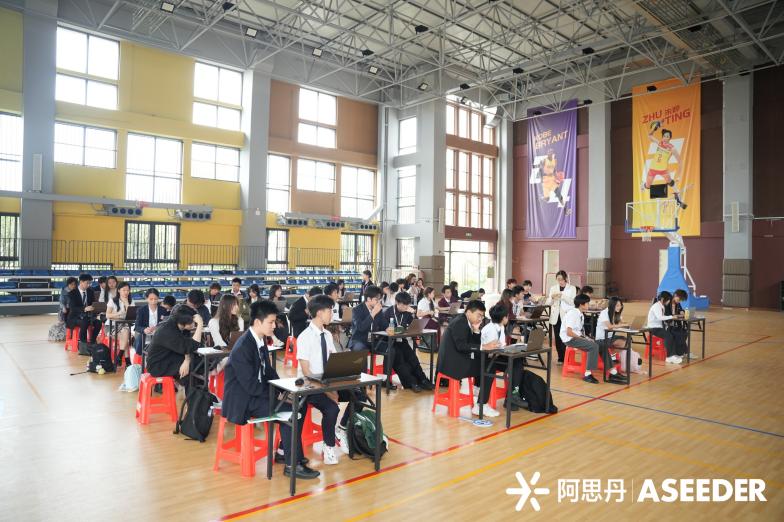


Sitting in the lecture hall, I watched each team walk up to the stage one by one to collect their certificates. The contestants couldn’t hide their smiles, and before I knew it, my mind had drifted back to a week earlier.
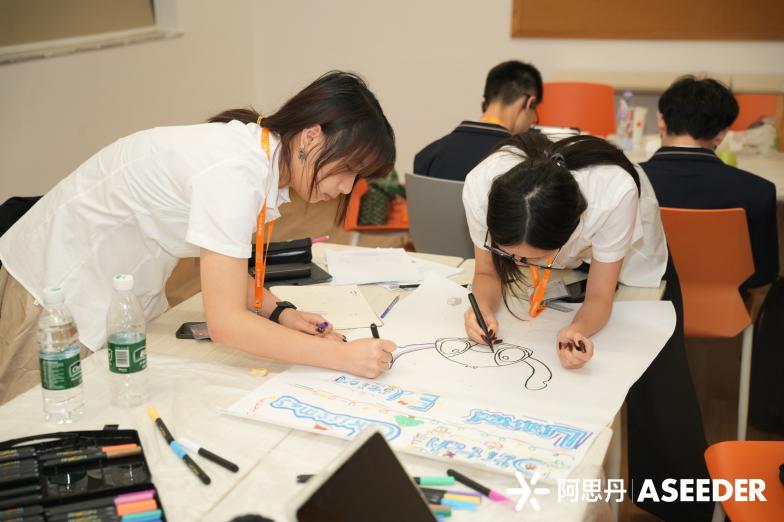
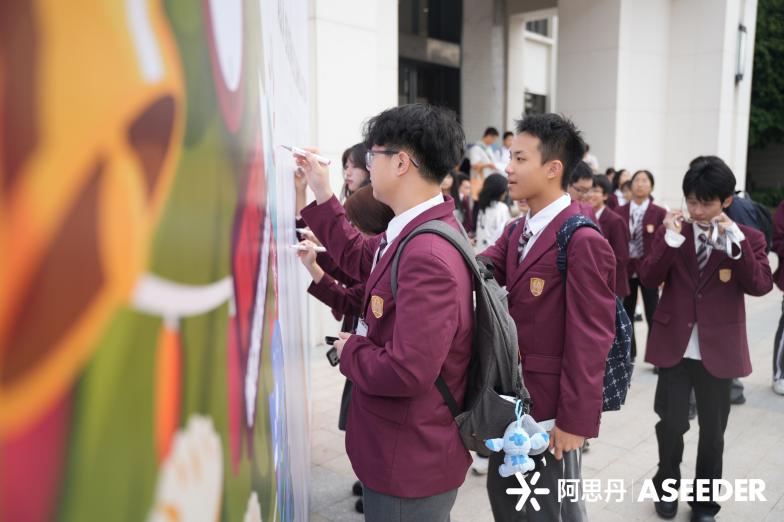
That Monday afternoon, when I got the job of organising volunteers for the business competition, I had no clue where to begin or what exactly needed to be done. Luckily, my homeroom teacher Lulu helped me map out the work, which gave me a clear direction for coordinating the volunteers. Recruiting volunteers turned out to be harder than I expected, though. Since the competition was on the weekend, most students—tired from a full week of classes—didn’t want to spend two extra days volunteering. Online ads didn’t help much, so my classmates and I went from classroom to classroom during morning study time to talk about it. In the end, we managed to put the volunteer team together. After school on Friday, we decorated the venue and did volunteer training with the ASDAN teacher’s help. But back then, we didn’t notice the gaps in our preparation.
Early Saturday morning, the teams started arriving at school. At first, things went smoothly, just like we’d planned the day before. But then unexpected problems popped up. “Where’s the office?” “What’s the Wi-Fi password?” “Is there a place to get water?” Contestants kept asking questions, and even with the training we’d had, I felt flustered trying to keep up. Once I’d sorted out each issue, I realised the training the night before had been too hasty—plus, the volunteers weren’t passing information along properly. So, I quickly checked in with the volunteer Ivy around me to share updates, and that finally got things back on track.
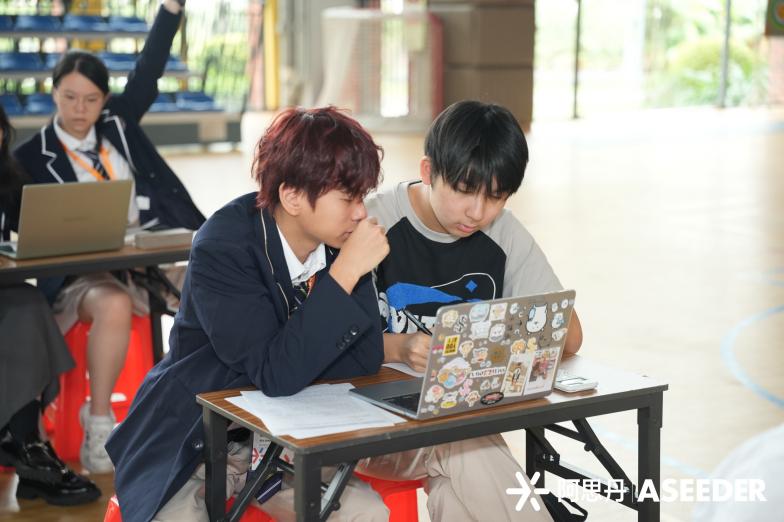
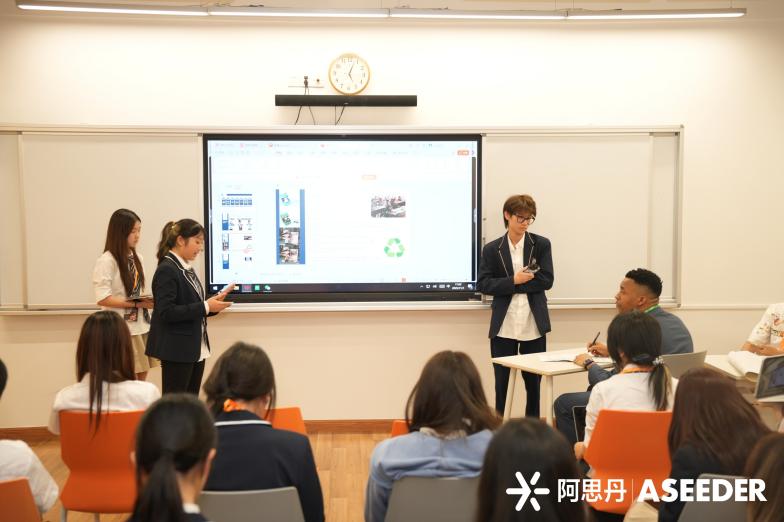
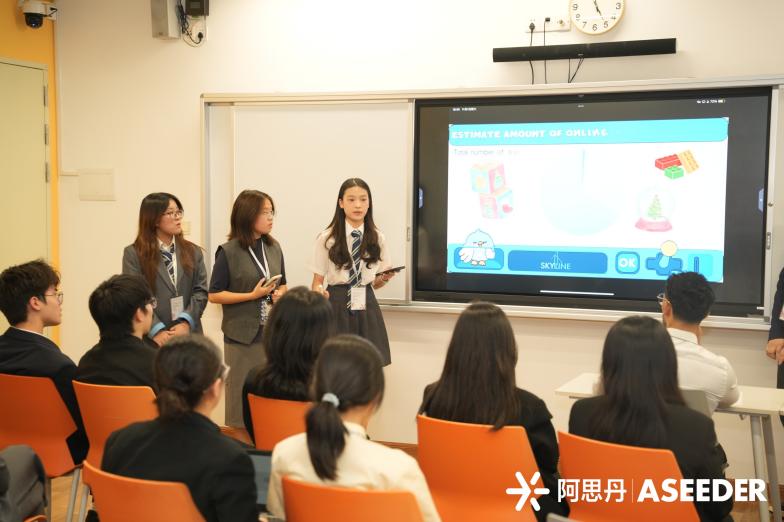
It wasn’t until the afternoon roadshow that I saw another mistake: we’d forgotten to check the roadshow rooms the day before, and none of the five rooms were ready. We split up right away and rushed to set them up as fast as we could. But then another issue came up—the security team had already set up five other rooms for the roadshow, but we weren’t informed. We split into two groups: one went to test the computers in the new rooms, and the other told the teams about the change. Thankfully, the rest of the roadshow went well. Watching the contestants speak confidently about their product ideas and answer the judges’ questions calmly, all that earlier chaos suddenly felt worth it. A big sense of pride washed over me.
Sunday was smoother. The volunteers worked well together, and every part of the process linked up nicely. It showed how well we’d learned to collaborate, and it made me truly understand what people mean by “experience teaches you best.” In the end, all the teams did great. This whole experience made me realise something important: a smooth event isn’t just luck—it’s all about careful preparation. Most problems can be avoided if you plan things out thoroughly ahead of time. And when something does go wrong, good communication is key—whether it’s sharing information with volunteers, explaining things to the teams, or sorting things out with the venue staff quickly.
More than that, organising the event taught me not to just focus on the “obvious tasks.” You also have to think about the small details and hidden needs behind them. For example, if contestants might get lost because they don’t know the venue, making a simple map beforehand fixes that. Or if equipment breaks, having a backup plan lets you handle it without panicking. Those little things that seem unimportant? They’re the ones that make or break an event. Only when you cover all those details can you make a plan that actually works.
And it’s the same with studying, right? If you only do homework and memorise definitions—the “easy, visible stuff”—without building a solid knowledge framework or connecting different topics, you’ll run into problems. Like when you can’t solve a tough question, or you forget key points when revising, or you lose marks because you don’t really understand a topic. But if you plan your studying like you plan an event—sorting out your knowledge first and setting a rhythm—you’ll have fewer surprises along the way.
When I snapped out of these thoughts, the award ceremony was still going smoothly. I watched the contestants smile as they held their certificates, so I picked up my camera and took a photo of that happy moment. Right then, I made a promise to myself: if I get to organise volunteers again next year, I’ll start by writing down what worked this time and what didn’t. I’ll list all the mistakes and possible problems and add specific training—like how to handle emergencies, or double-checking the venue and equipment beforehand. I know that if I’m more careful and prepared, every event will go better, and the volunteers will be able to do even more.
Author: Wan Lingjia (Fiona)